AirGuard ethos

Five rules we build around.

They shape what runs locally, where data sits, how systems connect, and who remains responsible.

How we decide

A principle should change a technical decision.

Local first.

The system closest to the work should keep working when the network does not.

What it changes

Essential analysis and operational decisions run at the site. Cloud services can support the fleet, but they do not sit inside the critical loop.

The test

Disconnect the uplink. The local operational loop continues.
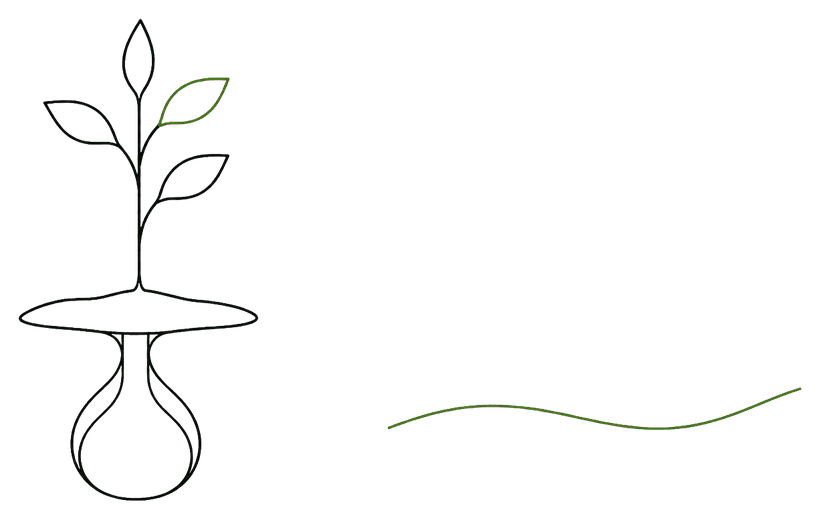
Local operation with the uplink unavailable

Your data stays yours.

Ownership should be visible in the architecture, not buried in a policy.

What it changes

Operational records, model activity, and evidence remain inside the customer's boundary. Access, retention, and export are designed around that ownership.

The test

AirGuard stays useful without collecting a parallel copy.

Operational data inside the customer's boundary

Vendor neutral.

Tools change. The customer's ability to choose should survive those changes.

What it changes

We keep clean boundaries between clouds, radio vendors, and models. Connections can change without forcing a rebuild of the system around them.

The test

Replace one dependency. The rest of the system keeps its shape.

Replaceable connections around a stable system

Modular, always.

Adoption should be incremental, and removing a part should remain possible.

What it changes

Each product can work on its own. Shared components add value when they are present, but no module exists only to force another purchase.

The test

Remove one module. The remaining system still works and explains itself.

Independent modules with optional connections

People stay accountable.

AI can narrow choices and surface evidence. It cannot inherit responsibility.

What it changes

Recommendations carry context, confidence, and supporting evidence. Consequential actions still pass through a person or an explicit policy owned by one.

The test

Every production action names who or what authorized it.

A human gate before consequential action
In practiceFive rules, one operating standard

Trust is easier to keep when the boundaries are clear.

These rules help us refuse shortcuts, even when the shortcut would make a demonstration easier.